
Why You’re Always Broke at the End of the Month (Even If You Earn Enough)


Understanding the Hidden Costs of Everyday Life
In modern society, many individuals encounter hidden spending habits that significantly influence their financial well-being. These expenditures often manifest in small amounts, gradually eroding an individual’s monthly budget without them noticing. Such hidden costs typically include subscriptions, service fees, and impulse purchases that continuously drain financial resources.
The phenomenon of financial leaks unveils the unnoticed expenditures that can add up over time. For example, someone may overlook recurring charges for streaming services or gym memberships that they seldom use. These costs tend to blend into everyday life, making it challenging to spot their cumulative impact on one's overall financial picture. Additionally, many individuals may fail to consider the fancy coffee or the occasional takeout as a part of their financial leakage, dismissing them as negligible when, in fact, they can represent a considerable aggregate expense by the end of the month.
Recognizing these hidden spending habits requires a detailed assessment of one’s daily financial activities. Individuals might find value in reviewing their bank statements regularly, highlighting expenses that could easily go unnoticed. By doing so, they can gain better control over their finances and identify patterns in spending behaviors that hinder budgetary adherence. Also, becoming mindful of one’s purchasing decisions can facilitate the identification of potential savings opportunities, encouraging healthier financial practices.
The elusive nature of hidden costs can deter even the most diligent budgeters. Recognizing and addressing these financial leaks is essential for fostering a sustainable budget that truly reflects one's financial goals. By consciously examining and adjusting spending habits, individuals can mitigate the impact of hidden costs and enhance their overall financial stability.
Common Hidden Spending Habits to Watch Out For
Budget management is essential to maintain financial health, yet many individuals often overlook certain spending habits that silently deplete their resources. One of the most prevalent of these habits is impulse purchasing. In our fast-paced lives, we are frequently bombarded by advertisements and promotions that encourage immediate buying decisions. Whether it's a trendy gadget, clothing, or an impulsive snack at the checkout line, these unplanned expenses can accumulate rapidly, distorting a carefully crafted budget.
Another common pitfall is subscription services. Many individuals sign up for monthly subscriptions, ranging from streaming services to fitness apps, without fully realizing the cumulative cost these services can impose over time. Often, these subscriptions can go unnoticed on bank statements, leading to a false sense of financial security. To mitigate this issue, it is crucial for consumers to regularly review their subscriptions and cancel those that are no longer utilized.
Furthermore, small everyday luxuries can easily transform into significant financial drains. This includes frequent purchases of coffee, takeout meals, or premium snacks. While each individual item may seem minor, the aggregate impact on a monthly budget can be substantial. For instance, spending five dollars on coffee each weekday totals to a staggering one hundred dollars per month. Therefore, enjoying luxuries should be balanced with awareness to prevent them from undermining overall financial goals.
Recognizing and managing these hidden spending habits can significantly enhance budgetary control. By being mindful of impulse purchases, subscription services, and daily indulgences, individuals can adopt a more proactive approach to their spending patterns, ultimately leading to healthier financial habits.
The Impact of Small Financial Leaks Over Time
It is often said that the little things add up, and when it comes to personal finance, this adage holds particularly true. Small financial leaks, such as daily coffee purchases, subscription services, or incidental expenses, may appear trivial on a case-by-case basis. However, their cumulative effect can be significant over time, potentially compromising one’s overall financial health.
Consider the case of daily coffee purchases amounting to just $5. Many individuals might think that this small indulgence is negligible. However, when calculated on a monthly basis, that amounts to $150 and over a year, the total grows to an astonishing $1,825. This example exemplifies how minor expenses can lead to larger budgetary shortfalls. Statistical analysis indicates that the average household annual spending on such small purchases can reach thousands of dollars when not monitored closely.
Furthermore, it is essential to acknowledge the hidden costs associated with convenience subscriptions. Services like streaming platforms, meal kits, or even unused gym memberships can add up quietly yet significantly. Research has shown that consumers, on average, pay for at least three subscription services that they seldom use. This not only drains the budget but also diverts funds from more critical savings and investment goals.
Therefore, identifying and addressing these leaks is vital for effective budget management. Enhanced awareness of these minor expenditures fosters better spending habits and may contribute to healthier financial practices. Implementing budgeting tools, tracking expenses diligently, or even adopting a stricter shopping policy are some proactive steps individuals can take to mitigate the impact of these seemingly insignificant financial leaks.
Becoming Aware: The First Step to Financial Control
In order to manage one's finances effectively, the first and perhaps most crucial step is becoming aware of spending habits. Awareness involves recognizing not just the obvious expenses but also the subtle, often overlooked, patterns of spending that can lead to financial strain. These hidden spending habits can include impulsive purchases, subscriptions that go unused, or even habitual spending that occurs without much thought. Acknowledging these behaviors is essential in taking control of a personal budget.
Many individuals find that their spending patterns can operate on autopilot, resulting in financial decisions that do not align with established budgets or long-term financial goals. Recognizing these patterns is the first step in developing a more informed approach to managing money. With heightened awareness, individuals can reflect on their spending choices and identify areas where adjustments can be made. For instance, tracking daily expenditures can reveal surprising insights into habitual spending that can be curbed.
Furthermore, becoming aware also extends to understanding emotional triggers that lead to unnecessary spending. By identifying situations in which one tends to overspend—be it stress, boredom, or social pressure—individuals can create strategies to mitigate impulsive financial decisions. This may involve setting strict spending limits, creating a budget that prioritizes essential expenses, or finding alternative activities that do not require spending money.
Ultimately, the journey towards financial control starts with awareness. By shining a light on hidden spending habits, individuals empower themselves to make informed decisions regarding their finances. Emphasizing awareness sets the stage for cultivating better money management practices and moving towards a healthier financial future.
Practical Strategies to Identify and Reduce Hidden Spending
Identifying and controlling hidden spending is a crucial step towards achieving financial stability. One effective strategy is to diligently track expenses. Maintaining a record of daily expenditures can shed light on where money is being spent, revealing patterns that might otherwise go unnoticed. By documenting every transaction, you can discern discretionary spending habits that may be draining your budget.
Additionally, creating a detailed budget is essential for financial awareness. Start by categorizing your monthly income and expenses, ensuring you allocate specific amounts for necessities and discretionary items. This structured approach to budgeting allows you to set clear limitations on your spending. Utilize budget categories such as groceries, dining out, entertainment, and subscriptions to provide a clearer picture of your financial health.
To enhance visibility into your spending habits, consider leveraging technology by using financial apps or budgeting tools. Many applications can automate expense tracking, making it easier to monitor your spending in real time. These apps often categorize your transactions, highlighting areas where you tend to overspend. Certain features may even offer insights and alerts when you approach your budget limits, providing an additional layer of financial oversight.
Moreover, reviewing bank statements regularly is a practical tool for identifying unwanted subscriptions or recurring expenses that can contribute to hidden spending. By analyzing these documents monthly, you can spot unnecessary costs that may be infrequently used, enabling you to cancel or adjust accordingly.
Ultimately, these strategies, tracking expenses, budget creation, and utilizing financial apps—arm readers with the necessary tools to become more financially aware. Adopting these practices can pave the way for effective management of hidden spending, fostering a more secure financial future.
Setting Financial Goals: Moving Beyond Spending Habits
Understanding one’s spending habits is a crucial first step toward achieving financial wellness. Once a clear picture of these habits is established, the next logical progression is to set realistic financial goals. These goals serve not only as a guiding framework for spending but also as a motivational tool to keep individuals disciplined in their financial practices. To effectively set these goals, individuals should begin by reflecting on their personal values and priorities. This alignment ensures that financial decisions are in harmony with what truly matters in life.
First, consider identifying short-term and long-term goals. Short-term financial goals might include creating an emergency fund or reducing monthly expenses, while long-term goals could encompass saving for retirement or purchasing a home. To quantify these objectives, it is essential to define specific time frames and monetary figures attached to each goal. For instance, instead of expressing a desire to save money, one might aim to save a certain amount within a year. This approach fosters accountability and enhances the likelihood of achieving these financial benchmarks.
Moreover, crafting a budget rooted in these financial goals is imperative. A budget should encapsulate all income and expenses while reflecting the priorities set by individual goals. By monitoring and adjusting the budget regularly, individuals can witness progress toward their financial aspirations, making it easier to stay focused and motivated. Additionally, it is advisable to review these financial goals periodically; life circumstances may prompt adjustments to initial objectives, allowing for flexibility in the path toward a more secure financial future.
Success Stories: Real-Life Changes from Improved Spending Awareness
The journey to financial stability often involves understanding and altering spending behaviors that are not readily apparent. Numerous individuals have embarked on this journey and transformed their financial situations by becoming more cognizant of their spending habits. These personal stories serve as testament that awareness can lead to significant and positive change.
For example, Sarah, a 28-year-old graphic designer, found herself frequently purchasing coffee from local shops, often thinking of it as a minimal expense. After tracking her spending for a month, she was alarmed to discover that over $150 was allocated to coffee alone. Recognizing this hidden spending habit allowed her to alter her approach by investing in a quality coffee maker for her home. This simple change not only improved her budget but also contributed to her overall satisfaction with her morning routine.
Another inspiring account is that of James, a recent college graduate paralyzed by student debt and living paycheck to paycheck. By engaging with a financial coach, he learned to identify essential versus discretionary spending. Adjustments in his dining habits and entertainment choices led to a reallocation of his funds, enabling him to pay off his credit card debt within a year. By becoming aware of his spending patterns, James developed a more disciplined approach to his finances and has since adopted healthy saving habits.
These narratives showcase how financial awareness serves as the catalyst for meaningful change. As individuals become more intentional about their spending, they can identify and eliminate hidden costs, setting themselves free from the constraints of financial worry. The evidence suggests that with concerted effort and mindfulness, it is indeed possible to regain control over one’s budget and thrive financially.
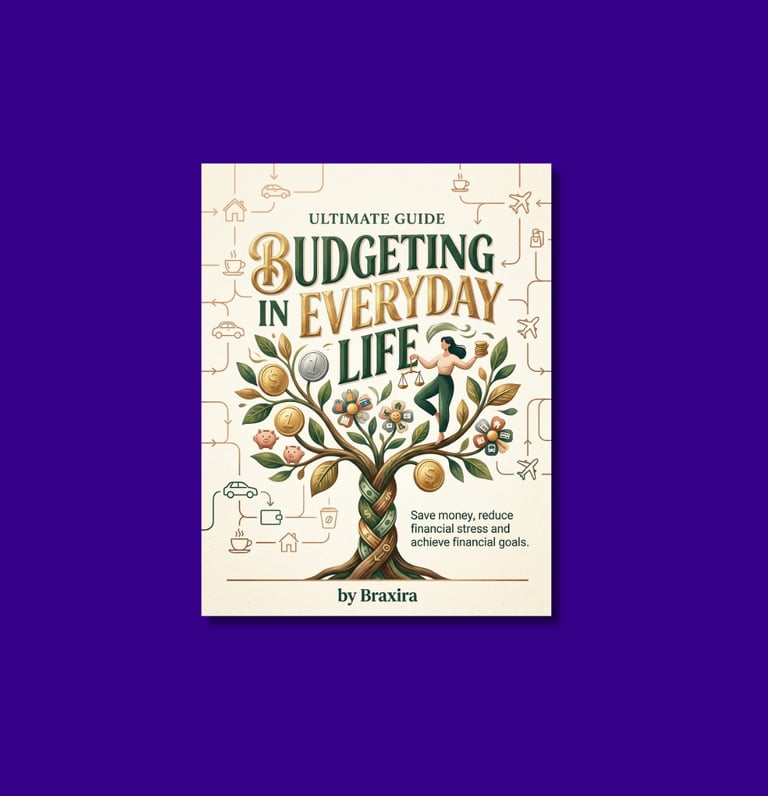
Budgeting in Everyday Life
Save money, reduce financial stress and achieve financial goals with our Ultimate Guide.
Top rated by 100+ buyers
★★★★★