The Hidden Cost of Ambition: Why Successful People Burn Out Faster

The Ambition Trap: Understanding the Pressure to Succeed
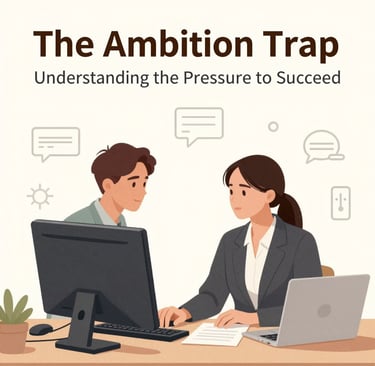
In today's fast-paced society, the relentless pursuit of success has become a defining trait among individuals across various professions. Ambition is often celebrated as a desirable quality, yet it can lead some to what experts refer to as the "ambition trap." This phenomenon occurs when the desire to achieve more can negatively impact an individual's well-being.
The modern definition of success heavily emphasizes constant productivity and achievement, often neglecting the importance of mental and emotional health. Employees and entrepreneurs find themselves under immense pressure to outperform their peers, leading to feelings of inadequacy when success is not immediately evident. This pressure is not only self-imposed but is further amplified by societal expectations and the prevalence of social media, which presents an idealized version of success that is often unattainable.
Social media platforms perpetuate a culture of comparison, where users showcase their achievements, creating a distorted reality that others feel compelled to match. For instance, a successful entrepreneur’s glamorous posts may overshadow the hard work and setbacks they experienced, leading observers to believe that a flawless journey is the norm. Such unrealistic portrayals can foster anxiety and self-doubt among individuals striving to achieve similar levels of success.
Personal anecdotes highlight the emotional toll incurred by those caught in the ambition trap. Consider an academic who sacrifices personal relationships in pursuit of tenure, only to discover that their achievements feel hollow without a support system to celebrate with them. These narratives illustrate how ambition, while a driving force for accomplishment, can sometimes lead to isolation and burnout.
Thus, understanding the ambition trap is crucial. Recognizing the pressures associated with success can empower individuals to redefine their ambitions, promoting a more balanced approach that values personal well-being alongside professional goals.
The Flaws of Traditional Productivity Advice
Traditional productivity advice often emphasizes maximizing output by encouraging individuals to adopt a 'work harder, not smarter' mentality. This perspective can lead professionals to prioritize efficiency over effectiveness, inadvertently increasing stress and the likelihood of burnout. Common techniques such as multitasking, over-scheduling, and even the relentless pursuit of deadlines can hinder rather than help actual productivity. While the intention behind these strategies is to enhance individual accomplishment, they can often generate a false sense of urgency that overlooks the importance of personal well-being and comprehensive job satisfaction.
Furthermore, the prevalent hustle culture perpetuated by modern self-help literature minimizes the value of self-care and downtime. The glorification of relentless work often leads individuals to disregard their limits, viewing breaks as signs of weakness rather than essential components of sustainable productivity. It creates a toxic cycle in which one feels compelled to push through fatigue and stress, leading to a rapid decline in overall performance and motivation. Instead, individuals may benefit from acknowledging their unique capabilities and setting realistic boundaries that promote work-life balance.
Moreover, there is a critical disconnect between productivity and actual well-being. Many traditional productivity hacks fail to account for the psychological and emotional toll that continuous work can exert on individuals. Practices that endorse constant connectivity and perpetual engagement with work tasks often dilute the quality of both personal and professional relationships. This growing dissatisfaction can result in diminished job satisfaction and heightened feelings of exhaustion, further complicating one’s ability to achieve genuine success. Recognizing the potential drawbacks of established productivity doctrines is crucial for fostering healthier work environments and cultivating a culture that values quality and individual well-being over mere output.
Sustainable Success Strategies
In today’s fast-paced world, the pursuit of success often leads to burnout, particularly for individuals who push themselves relentlessly to achieve their goals. A more sustainable approach to achievement is necessary to maintain both productivity and well-being over the long term. One way to achieve this is through the concept of work-life integration, which emphasizes harmony between professional and personal life rather than a strict separation. This approach allows individuals to align their values and aspirations across different domains of their lives, fostering a sense of fulfillment.
Setting realistic goals is another vital component of sustainable success. Instead of setting overly ambitious objectives that may lead to stress and a sense of failure, individuals should focus on achievable milestones that promote steady progress. This incremental approach not only enhances motivation but also encourages a growth mindset. Experts suggest that individuals regularly reassess their goals as circumstances evolve, ensuring they remain relevant and attainable.
Furthermore, the importance of rest and recovery cannot be overstated in the pursuit of sustainable success. Adequate downtime is essential for mental and physical rejuvenation, allowing individuals to return to their tasks with renewed energy and clarity. Incorporating regular breaks into the workday, practicing mindfulness, and engaging in physical activities are effective strategies to improve both well-being and productivity.
By implementing these practical strategies, individuals can create a more balanced and fulfilling approach to success. Prioritizing work-life integration, setting realistic goals, and allowing time for rest will not only contribute to long-term growth but also mitigate the risks of burnout. Success should not come at the cost of one’s health and happiness; rather, it should be a reflection of a well-rounded and sustainable life journey.
Building Your Own Success Framework: Steps to Prevent Burnout
Creating a personalized success framework is an essential strategy for maintaining both ambition and well-being. Recognizing your unique goals, needs, and limits is the first step in reducing the risk of burnout. Begin by conducting a self-assessment to understand your current habits. This could involve journaling about your daily activities, identifying stress triggers, and reflecting on your work-life balance. Evaluate where your time and energy are primarily invested, and consider whether these align with your long-term aspirations.
Once you have a clearer picture of your habits, it is vital to identify areas for improvement. Do particular tasks exhaust you or lead to feelings of overwhelm? Consider breaking tasks into manageable segments and setting realistic deadlines that allow room for flexibility. Emphasizing quality over quantity can be beneficial, especially when it comes to productivity. It is also advisable to implement time management techniques like the Pomodoro technique, which helps maintain focus and encourages regular breaks.
Furthermore, establishing personal boundaries is crucial in safeguarding your mental health. Communicate your limits to colleagues and loved ones, ensuring they respect your need for personal time and space. Allocate time in your schedule for relaxation, hobbies, and self-care, as these activities are vital for recharging your physical and emotional resources. Additionally, seek resources that resonate with your personal development goals. Online workshops, podcasts, or books on emotional intelligence and resilience can provide insights that reinforce your framework.
Embracing these steps will empower you to build a fulfilling and sustainable path to success. By prioritizing self-care alongside ambition, you can minimize the potential for burnout while continuing on your journey to achieving your goals.