
Time Management Isn’t Your Problem, Energy Is: Harnessing Your Natural Energy Patterns for Greater Productivity
Understanding Energy Management vs. Time Management
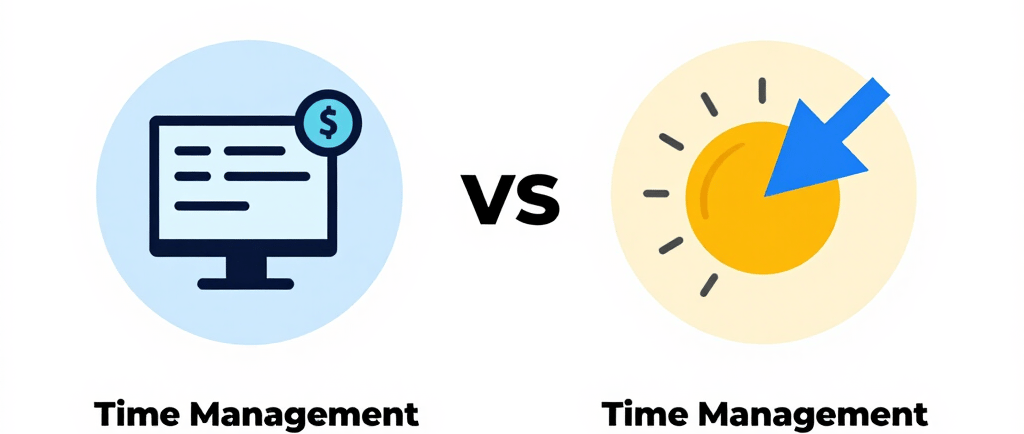
Time management is often viewed as the cornerstone of productivity, suggesting that effectively allocating hours in a day leads to enhanced performance. However, this perspective frequently neglects the intrinsic nature of human energy, which varies throughout the day. Energy management, conversely, emphasizes the importance of recognizing and optimizing personal energy levels to achieve greater productivity. This distinction is crucial for understanding how to work more effectively.
Many traditional time management techniques focus on creating strict schedules and task lists, assuming that all time is equally productive. This view does not take into account the fluctuations in an individual’s energy throughout the day. In reality, an individual’s capacity to focus, be creative, or engage in complex tasks does not remain constant. By aligning tasks with energy levels, one can enhance both efficiency and job satisfaction.
For instance, some people may find that their cognitive functions peak in the morning, making it an ideal time for analytical tasks, whereas others might be more productive in the late afternoon or evening. Recognizing these patterns allows individuals to schedule demanding work during their peak energy times while reserving less intensive tasks for periods of lower energy. This approach not only leads to greater output but also helps in reducing burnout and stress associated with unnatural time constraints.
Thus, managing energy is not merely a complement to time management; it is a fundamental shift in how individuals view productivity. By prioritizing energy levels over strict time allocations, individuals can foster habits that lead to sustained productivity, greater creativity, and enhanced overall well-being. Understanding this can revolutionize how one approaches both work and personal tasks.
Identifying Your Natural Energy Patterns
Understanding your personal energy patterns is crucial for enhancing productivity and maintaining focus throughout the day. One of the most effective methods of identifying these patterns is through journaling or tracking your energy levels. By noting how your energy fluctuates during different times of the day over a week or more, you can develop a clearer picture of your most productive hours. This practice not only helps individuals become more self-aware but also enables them to make adjustments to their schedules that align with their individual peaks in energy.
To further analyze your energy patterns, consider utilizing tools such as graphs or specialized apps designed to track your focus and activity levels. These digital platforms often allow individuals to log daily tasks alongside their energy levels, providing insightful visual representations of productivity versus timing. By consistently monitoring these metrics, you can pinpoint specific times when you are at your best, which can be a game-changer for effective time management.
Several factors contribute to energy levels, including sleep quality, nutrition, and exercise. Sleep is particularly vital as insufficient rest can negatively impact cognitive function and overall energy throughout the day. It is essential to assess your sleep habits and ensure you are receiving adequate rest. Nutrition also plays a significant role; balanced meals can sustain your energy, while excessive sugar or caffeine can cause spikes and crashes. Additionally, a regular exercise routine can improve your stamina and energy levels over time, further aiding in productivity. By acknowledging and adapting to these influencing factors, you can optimize your daily routines according to when you feel most alert and focused.
Strategies to Align Your Tasks with Your Energy Levels
Understanding your natural energy patterns can significantly impact your productivity. By aligning your daily tasks with these energy levels, you can enhance your efficiency and overall performance. The first step is to identify your peak energy times throughout the day. Many individuals experience a surge in energy during the morning, around midday, or even in the evening. Keeping a simple diary for a week where you track your energy levels can provide insights into your most productive phases.
Once you have identified these periods, strategically schedule your high-concentration tasks during these peak times. For instance, if you find that your focus sharpens between 9 AM to 11 AM, reserve that time for complex projects that require deep thinking or creative brainstorming. Conversely, during your energy dips—often occurring post-lunch or late afternoon—consider scheduling routine tasks that demand less cognitive effort, such as responding to emails or organizing your workspace.
Incorporating regular breaks into your schedule is another vital strategy to maintain energy levels throughout the day. Studies have shown that short breaks can significantly boost concentration and prevent burnout. Aim for a 5-minute break every hour or a longer 15-minute one every couple of hours. Additionally, integrating physical activities into these breaks, such as a short walk or some light stretching, can provide an extra energy boost, fostering a healthier and more engaged work mindset.
Finally, consider the role of nutrition and hydration in managing your energy levels. Consuming balanced meals and staying hydrated can keep your energy steady. A nutritious breakfast is particularly essential, as it fuels your brain for the day ahead. By meticulously organizing your tasks in alignment with your energy rhythms and incorporating breaks, you will cultivate a sustainable work routine that not only boosts productivity but enhances your overall well-being.
Avoiding Energy Crashes and Maintaining Consistent Productivity
To maintain consistent productivity throughout the day, it is crucial to understand the factors that contribute to energy crashes. These downturns in energy can severely affect your ability to function optimally and achieve your tasks effectively. One of the primary pitfalls leading to such crashes is neglecting the importance of regular breaks. Taking short, frequent breaks helps to reset your focus and recharge your mental energy. Consider employing techniques like the Pomodoro Technique, where you work for 25 minutes followed by a 5-minute break, which can significantly enhance your productivity.
Hydration plays a pivotal role in maintaining energy levels as well. The human body is composed of approximately 60% water, and dehydration can lead to fatigue, decreased alertness, and reduced cognitive function. It is advisable to drink sufficient water throughout the day to support optimal performance. Moreover, your nutrition choices significantly influence your energy. Consuming balanced meals filled with whole grains, lean proteins, fruits, and vegetables provides your body with the necessary nutrients to sustain energy. Avoiding excessive sugar and caffeine is also essential, as these can lead to energy spikes followed by crashes.
Additionally, stress management techniques can assist in preventing energy dips. Regular physical activity, mindfulness practices, such as meditation or deep-breathing exercises, can alleviate stress and promote a sense of well-being. Incorporating short periods of physical activity during your breaks can further enhance energy and focus. Achieving a lifestyle that prioritizes sustained energy rather than temporary bursts is vital for long-term productivity. By fostering these habits, you can create an environment conducive to maintaining energy levels, ultimately enhancing your performance and achieving your goals more effectively.