
How to Save More Money With a Simple Everyday Budget


Understanding the Basics of Budgeting
Budgeting is a fundamental financial skill that involves creating a plan for managing income and expenses. At its core, budgeting means tracking how much money comes in versus how much goes out, enabling individuals to make informed financial decisions. For beginners who may find financial management daunting, grasping the basics of budgeting is an essential first step.
Each person’s financial situation is unique, yet the core principles of budgeting remain applicable to everyone. One primary objective of budgeting is to identify spending patterns. By documenting expenses periodically, individuals can see where their money is allocated, which often reveals areas where adjustments can be made. This awareness serves as a stepping stone towards achieving financial stability and instilling a sense of control over personal finances.
Moreover, effective budgeting empowers individuals to set and prioritize financial goals. Whether it is saving for a vacation, a new vehicle, or building an emergency fund, a well-crafted budget can facilitate progress towards these objectives. Understanding where every dollar is spent fosters more deliberate financial choices, which enhances the ability to redirect funds towards savings or investments.
Another vital aspect of budgeting is its role in preventing overspending and accumulating debt. When individuals track their expenses against their income, they can quickly identify when they are nearing their financial limits. This awareness helps mitigate unnecessary expenses and instills a disciplined approach to spending.
In essence, mastering the basics of budgeting is not merely about restricting expenses; it is about creating a roadmap for financial success. By understanding the importance of tracking spending and making conscious financial decisions, anyone can navigate their financial landscape with confidence and clarity.
Creating Your Simple Everyday Budget
Establishing a simple everyday budget is an essential step toward achieving financial stability. To begin, you need to categorize your income and expenses clearly. First, determine your total monthly income, which includes salary, freelance work, and any other sources. Next, list all your expenses by categorizing them into fixed expenses, such as rent or mortgage payments, and variable expenses, such as groceries, entertainment, and discretionary spending.
Once you have compiled your income and expense lists, it is crucial to analyze them effectively. This analysis is where you can identify areas for improvement. For instance, if you are spending significantly on dining out, consider allocating more to your grocery budget instead. Prioritizing needs over wants will help streamline your spending and minimize unnecessary costs.
After categorizing, choose a method to track your budget efficiently. You may opt to use a simple spreadsheet where you can input your income and expenses to visualize your financial situation. Alternatively, budgeting apps are available that automate this process and often provide insightful analytics. These tools can help you maintain discipline in adhering to your budget while allowing easy updates as your financial situation evolves.
When developing your budget, be realistic. Set achievable goals for both saving and spending to ensure that your budget feels practical rather than restrictive. Regular reviews of your spending patterns can prevent overspending and aid in making necessary adjustments to your budget over time. By following these steps, you can create a straightforward, effective budget that aligns with your daily financial needs and long-term goals.
Identifying and Reducing Unnecessary Expenses
Embarking on a budget-friendly lifestyle begins with a critical evaluation of your spending patterns. By systematically identifying and reducing unnecessary expenses, you can enhance your financial stability and allocate funds toward your genuine priorities. Start by examining your monthly expenses to categorize them into needs and wants. Essentials such as housing, food, and transportation are unavoidable, but discretionary spending on eating out, entertainment, and subscriptions often buffers your overall expenditures.
To facilitate this assessment, consider implementing the "30-day rule." This strategy entails postponing any non-essential purchases for thirty days, providing you with the necessary time to reflect on whether those items genuinely contribute to your happiness and well-being. After this period, you may find that many of those indulgences lose their allure when the immediate gratification fades.
Additionally, ask yourself what truly brings joy and value to your life. Are those premium coffee runs or regular movie nights genuinely enhancing your happiness? If not, it may be time to reevaluate such costs. Keeping a spending journal can help highlight patterns and inform decisions moving forward, allowing you to identify superfluous spending habits that can be curbed.
Moreover, numerous budgeting tools and apps exist to assist in analyzing your spending. Tools such as Mint or YNAB (You Need A Budget) automatically categorize transactions, offering insights into where your money goes each month. Leveraging these technologies can shine a spotlight on unnecessary expenses, enabling you to make informed, strategic cuts.
Ultimately, by critically assessing your spending and implementing these practical strategies, you can effectively eliminate wasteful expenditures and allocate your resources toward more meaningful goals.
Planning for Regular Expenses
Effective budgeting hinges on the ability to plan for regular, recurring expenses that can disrupt your financial flow if left unaccounted for. These expenses typically include bills for utilities, credit card payments, subscriptions, and insurance premiums. By anticipating these costs, you can allocate your financial resources more effectively and avoid unpleasant surprises each month.
The first step in planning for regular expenses is to create a comprehensive list of all your monthly bills and recurring subscriptions. This list should encompass fixed costs such as rent or mortgage payments, as well as variable ones like electricity and water usage. Additionally, consider including subscriptions to services such as streaming platforms, gym memberships, or any other regular payments. Knowing the exact amounts and due dates for these expenses is crucial for accurate budgeting.
Next, assess your monthly income and determine how much can be set aside for these regular expenses. It is advisable to create a separate savings account specifically for bills. By systematically transferring an estimated monthly total into this account each pay period, you can ensure that funds are always available when bills come due. This practice greatly reduces the financial strain of sudden payments and minimizes the risk of overdraft fees.
Moreover, consider reviewing your spending habits associated with these expenses. Are there subscriptions that you rarely use? Can you reduce utility bills by implementing energy-saving measures? Regularly evaluating and adjusting your expenses helps refine your budgeting plan, providing both flexibility and efficiency in your financial management.
Overall, anticipating and preparing for regular expenses is crucial in achieving a balanced budget. By recognizing their importance and adhering to a systematic approach, anyone can master their budget and improve their financial stability.
Making Smarter Financial Decisions
Establishing a simple budget serves as a foundational tool in making informed and smarter financial decisions. By clearly laying out income and expenses, individuals can gain a comprehensive understanding of their financial landscape. This insight enables users to allocate resources efficiently, recognize spending patterns, and identify areas for potential savings. When one understands their financial situation through the lens of budgeting, they are better equipped to make choices that align with their long-term goals.
One of the key benefits of adhering to a predictable budget is its capacity to mitigate impulsive spending. Impulse purchases often arise from a lack of financial awareness or pressure to conform to societal norms. When individuals aren't aware of their budget constraints, they may be more likely to engage in spontaneous spending, leading to regrets and potential financial distress. A well-structured budget minimizes such occurrences by fostering a disciplined approach to spending. By emphasizing needs over wants and prioritizing essential expenses, individuals can cultivate a more thoughtful financial habits.
Furthermore, having a budget allows individuals to explore various financial scenarios and make necessary adjustments accordingly. For example, if an unforeseen expense arises, reviewing a budget enables one to choose between discretionary expenses they can reduce or eliminate to accommodate this new cost. This flexibility contributes to robust financial health, offering peace of mind and the ability to navigate challenges. Ultimately, understanding a personal budget not only aids in current financial decision-making but also lays the groundwork for future financial stability. Embracing budgeting can pave the way for better decision-making and positively influence long-term financial outcomes.
Establishing Realistic Money Habits
Establishing realistic money habits is crucial for anyone aiming to gain better control over their finances. The journey to effective budgeting begins with a comprehensive understanding of one’s income and expenses. By tracking daily spending and categorizing it into needs, wants, and savings goals, individuals can create a clearer picture of their financial landscape. This clarity encourages informed decision-making and instills confidence in the budgeting process.
To foster sustainable financial habits, it is essential to set achievable goals. These goals should be Specific, Measurable, Achievable, Relevant, and Time-bound (SMART). For instance, instead of stating a vague intention to save money, one might set a goal to save $200 each month for six months. This method gradually builds the habit of saving while allowing one to maintain a practical approach to financial aspirations.
Another vital aspect of cultivating money habits is maintaining motivation. Celebrating small victories along the way can significantly enhance motivation. This can be as simple as treating oneself modestly when reaching a savings milestone or sharing progress with supportive friends and family. Positive reinforcement not only makes the budgeting process enjoyable but also encourages consistent adherence to financial plans.
Furthermore, balancing enjoyment with financial prudence is an essential strategy for long-term success. Individuals should allocate a portion of their budget for discretionary spending or leisure activities. By doing so, they can enjoy life while still maintaining their financial goals. Such a balanced approach to budgeting helps to create a harmonious relationship with money, where individuals do not feel deprived but rather empowered to make thoughtful choices about their financial future.
Budgeting is not a one-time task but an ongoing process that requires flexibility and the ability to adjust as life changes. As your financial circumstances, goals, and priorities evolve, so too should your budget. This adaptability ensures that you remain in control of your finances and can effectively allocate resources to meet your current needs.
To stay flexible in your budgeting, it is essential to establish a routine for reviewing your budget. Consider conducting monthly or quarterly reviews to assess your financial situation. During these reviews, analyze your spending patterns and identify any areas where you may be overspending or underutilizing your allocated funds. This practice allows you to make informed decisions about where adjustments might be needed.
For instance, if you receive a salary increase or incur additional expenses, such as a new child or a house purchase, it may be necessary to revisit your financial goals and reallocate your budget accordingly. Similarly, if you find that certain spending categories are consistently under-budgeted, such as groceries or utilities, adjusting these amounts can help you avoid financial strain and maintain a balanced budget.
Another critical aspect of budgeting flexibility includes accommodating unexpected expenses. Life can be unpredictable, and by maintaining a buffer or cushion within your budget, you can alleviate the stress associated with unforeseen costs. Likewise, if particular financial goals are no longer achievable or relevant, don’t hesitate to modify them. Reassessing goals regularly is an integral part of maintaining a budget that aligns with your lifestyle.
Ultimately, being adaptable in your budgeting process ensures that your financial management supports not just your immediate needs but also your evolving aspirations. By regularly reviewing and adjusting your budget, you empower yourself to effectively handle life’s uncertainties and maintain a well-balanced financial life.
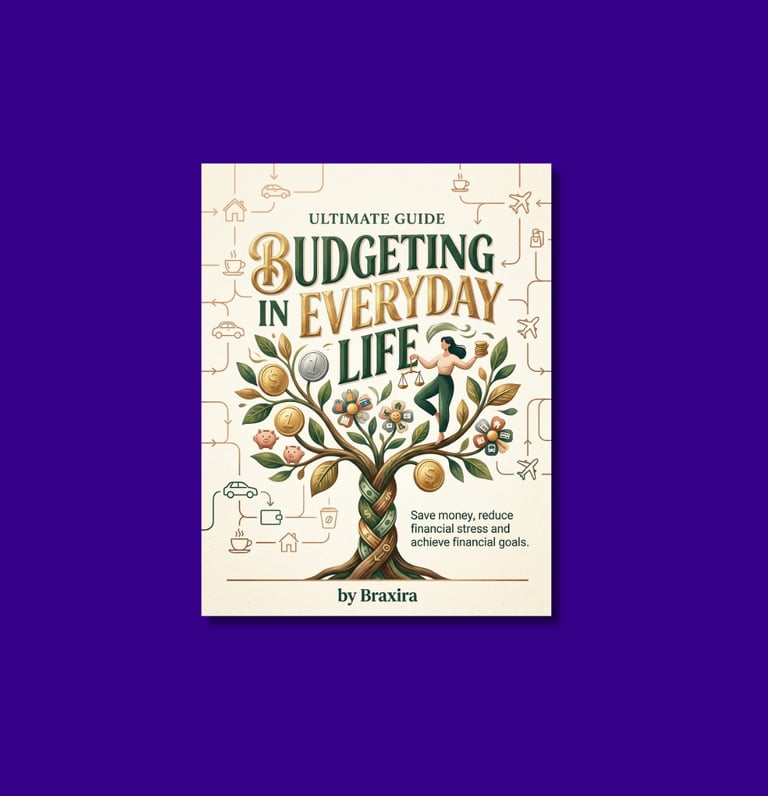
If you want a simple way to manage your money better, check out my Budgeting in Everyday Life guide down below.
Budgeting in Everyday Life
Save money, reduce financial stress and achieve financial goals with our Ultimate Guide.
Top rated by 100+ buyers
★★★★★