
Understanding Mental Fog: Are You Overloaded Rather Than Lazy?
The Misconception of Laziness
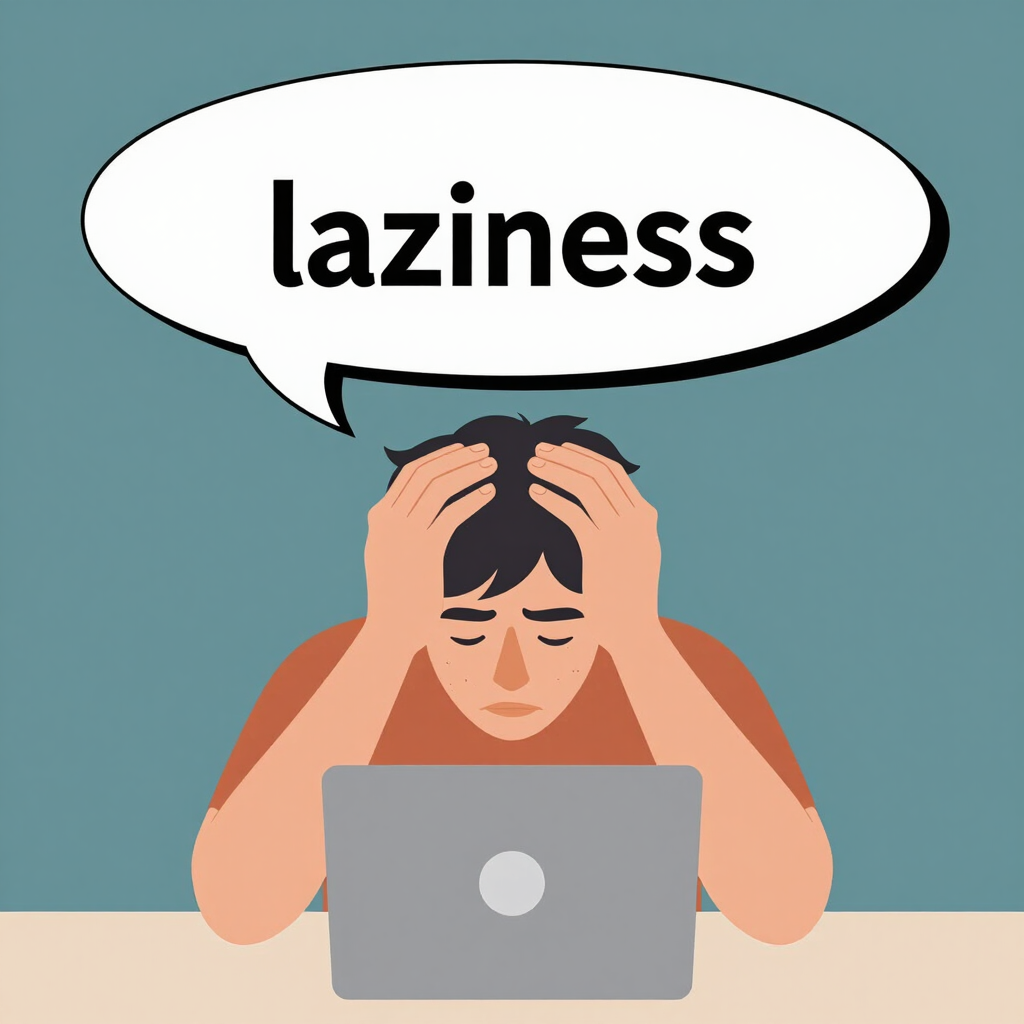
In contemporary discourse, the term "laziness" is often used to describe individuals who exhibit symptoms of mental fog, poor focus, and decision fatigue. This interpretation, however, oversimplifies complex cognitive and emotional conditions that many people face. While laziness is frequently viewed as a personal failing or a lack of motivation, the reality is that mental fog often stems from a variety of underlying issues, including stress, burnout, and cognitive overload.
Societal expectations place immense pressure on individuals to constantly perform at peak levels, leading to an environment where any sign of struggle can be easily labeled as a lack of diligence. This misunderstanding can be detrimental, creating a stigma that discourages individuals from seeking help or even acknowledging their difficulties. Instead of recognizing that mental fog can result from an overwhelming workload or emotional strain, some may jump to conclusions that character qualities are to blame.
The narrative surrounding laziness often ignores the fact that mental processes can be impacted by numerous external and internal factors. For instance, chronic stress and prolonged exposure to excessive demands can diminish cognitive performance, leading to feelings of inadequacy and lethargy. Individuals experiencing such conditions may not necessarily lack effort but, rather, may be battling against unseen forces that hinder their ability to think clearly and make decisions effectively.
By examining and challenging the misconception of laziness, we can pave the way for a more compassionate understanding of those who experience mental fog. Identifying the true causes behind cognitive challenges rather than attributing them to character flaws is essential in reshaping perspectives and fostering supportive environments, whether in workplaces, educational settings, or personal relationships.
Recognizing the Signs of Overload
In today’s fast-paced world, distinguishing between laziness and mental overload can be challenging. Recognizing the signs of overload is crucial for taking appropriate actions toward managing one’s mental health. One of the most prevalent indicators of being overloaded is experiencing mental fog. This phenomenon manifests as a pervasive lack of clarity that can hinder cognitive processes, making routine tasks feel overwhelming. Individuals may find it difficult to concentrate on specific tasks or engage in conversations, which can lead to heightened frustration.
Another prominent symptom is difficulty focusing. When overwhelmed, the brain might struggle to process information efficiently, leading to scattered thoughts and divided attention. Tasks that once seemed manageable can appear daunting, contributing to a cycle of procrastination and avoidance, which can exacerbate feelings of inadequacy.
**Decision fatigue** is another significant sign of mental overload. As the day progresses, the brain becomes increasingly unable to make effective decisions due to the cumulative mental strain from prior choices. Simple decisions, such as what to eat or wear, can become unnecessarily exhausting, leading to feelings of being paralyzed by indecision.
Furthermore, emotional exhaustion should not be overlooked. Individuals facing overload often find themselves drained, lacking the emotional capacity to engage with others effectively. This can result in irritability, anxiety, and a sense of detachment from previously enjoyed activities, further illustrating the distinction between laziness and being overloaded.
Ultimately, recognizing these signs: mental fog, difficulty focusing, decision fatigue, and emotional exhaustion, can help individuals better assess their mental state. Understanding these symptoms allows one to take proactive steps toward rejuvenation and clarity, fostering improved productivity and overall well-being.
The Science Behind Mental Fog and Decision Fatigue
Mental fog, a term often used to describe feelings of confusion and lack of clarity, can significantly impair our cognitive capabilities. Understanding the science behind this phenomenon reveals the intricate relationship between cognitive load and mental overload. Psychological research indicates that our brains can only handle a limited amount of information at one time; beyond this threshold, we experience mental fog. This overload can manifest as decision fatigue, whereby our ability to make choices deteriorates, leading to procrastination and decreased productivity.
Neurologically, mental fog is linked to the prefrontal cortex, the area of the brain responsible for executive functions such as decision-making, planning, and impulse control. When an individual faces excessive cognitive demands, whether from an overwhelming workload, emotional stressors, or even a barrage of information, the prefrontal cortex can become fatigued. This fatigue impedes effective functioning, resulting in an inability to focus, process information, or make sound decisions.
Studies have shown that individuals who are subjected to high cognitive loads report feelings of confusion and decreased motivation. For instance, one significant study revealed that participants who encountered heavy workloads displayed diminished problem-solving abilities and increased anxiety levels due to mental fog. Additionally, the phenomenon of decision fatigue can lead to various coping mechanisms, such as avoidance of decision-making processes altogether, which may further exacerbate feelings of overwhelm.
Moreover, it is essential to recognize that mental fog is not merely a sign of laziness or lack of willpower. Instead, it emerges from genuine cognitive strain, an overload that can occur in both personal and professional contexts. Understanding these underlying mechanisms allows individuals to better manage their cognitive resources and develop strategies to mitigate feelings of mental fog and decision fatigue.
Understanding Burnout: More Than Just Stress
Burnout is a state of emotional, physical, and mental exhaustion caused by prolonged and excessive stress, ultimately leading to feelings of overwhelm and detachment. Unlike everyday stress, which can be manageable and temporary, burnout manifests as a chronic condition that can significantly impair an individual's ability to function both personally and professionally. Recognizing the difference is essential, as burnout requires a different approach for treatment and recovery.
There are typically three stages of burnout. The first stage, the buildup phase, is characterized by increased stress and the initial feeling of being overwhelmed. Individuals may work longer hours, neglect self-care, and start to feel less significant enjoyment in their daily tasks. The second stage is the crisis phase, where individuals experience emotional exhaustion and may become irritable, detached, and unproductive. The final stage, termed the burnout phase, is marked by feelings of hopelessness, chronic fatigue, and an almost complete lack of accomplishment. At this stage, individuals often feel as though they cannot recover without making significant changes to their lifestyle.
Factors contributing to burnout can be both environmental and personal. Work-related causes may include unrealistic expectations, lack of support, and prolonged workload. Meanwhile, personal causes might stem from perfectionism, difficulty managing stress, or a poor work-life balance. Recognizing the symptoms of burnout is crucial. Physical signs can include fatigue, sleep disturbances, and frequent illness, while mental health manifestations may include anxiety, depression, or decreased concentration and productivity.
Awareness of burnout is vital as it can lead individuals to seek necessary support or adjustments. Understanding that burnout is not merely a sign of laziness can be empowering, prompting one to reassess their workload and self-care practices. By identifying and addressing the underlying causes, individuals can take steps toward recovery and improve their overall mental health.
Strategies for Recovery and Clarity
Recovering mental clarity is essential for enhancing productivity and overall well-being. To navigate through feelings of mental fog, it is important to implement actionable strategies that can guide individuals towards a clearer state of mind without inducing further stress.
First, prioritizing tasks can significantly improve focus. Begin by listing daily tasks and categorizing them based on urgency and importance. The Eisenhower Matrix is a powerful tool that can aid in differentiating between what is urgent and what is truly significant. This method allows individuals to concentrate their efforts on high-priority tasks while postponing or delegating less critical ones, thereby reducing overwhelming sensations associated with mental overload.
Moreover, incorporating regular breaks into one’s schedule is crucial. These pauses not only serve as relief from strenuous cognitive activities but also foster creativity and enhance focus. A commonly recommended technique is the Pomodoro Technique, which consists of working for 25 minutes followed by a short break. This rhythm encourages sustained attention while ensuring that mental fatigue does not accumulate over time.
Practicing mindfulness techniques can also play an integral role in recovering clarity. Engaging in mindfulness exercises, such as meditation or deep-breathing techniques, helps center thoughts and allows individuals to reconnect with their immediate sensations. As a result, these practices encourage a state of calmness and perspective amidst the chaos of everyday responsibilities.
Additionally, the integration of self-care routines into daily life is imperative. This can encompass various activities, including regular physical exercise, adequate hydration, and sufficient sleep. These fundamental lifestyle elements are crucial for ensuring optimal cognitive function and emotional balance, ultimately reducing instances of mental fog.
Importance of Setting Boundaries and Managing Expectations
In today's fast-paced world, setting boundaries is crucial for maintaining mental clarity and preventing burnout. Boundaries are the invisible lines we draw to protect our personal and professional spaces, ensuring that we do not become overwhelmed by external demands. By establishing clear limits, individuals can allocate their time and energy more effectively, thereby enhancing their productivity and overall well-being.
One of the primary aspects of boundary setting is the ability to say no when necessary. Many people feel pressured to meet every request or to take on additional responsibilities, often leading to mental fog and decreased efficiency. Learning to decline tasks that do not align with your goals or that exceed your current capacity can be liberating. It is vital to communicate your limits to others to manage expectations and promote understanding. Conversely, it is equally important to keep in mind that not every task or expectation is a reflection of your abilities or worth.
Moreover, managing expectations involves clear communication with oneself and others. Practical self-reflection can help identify personal limits, leading to realistic goal-setting. When you have a clear understanding of what you can accomplish, you are less likely to succumb to feelings of inadequacy or laziness. In professional settings, transparency regarding workload and timelines can facilitate a healthier work culture, where everyone understands the shared limitations and supports one another's boundaries.
Ultimately, setting boundaries and managing expectations cultivates a sustainable work-life balance. This balance not only mitigates feelings of overload but also allows individuals to dedicate their energy to areas that genuinely matter. By fostering a mindset that values self-care and mutual respect within relationships, the potential for mental fog can significantly diminish, leading to enhanced clarity and productivity.
Conclusion: Embracing a Balanced Approach to Productivity
Throughout our exploration of mental fog, we have identified that feelings of being overwhelmed are not simply indicative of laziness, but rather reflections of an overloaded mental state. Recognizing this distinction is vital in fostering a healthier mindset towards productivity. Many individuals experience periods of mental saturation, often conflating their lack of motivation with personal failings. In reality, such feelings can be viewed as signals from the mind and body, indicating the need for a shift toward better balance.
Emphasizing a balanced methodology involves acknowledging the necessity of breaks, self-care, and prioritization of tasks. Understanding that efficiency does not equate to constant activity allows individuals to realign their productivity strategies, enhancing both performance and well-being. By incorporating mindfulness and time-management strategies, one can navigate through cluttered thoughts, reducing the sensation of mental fog. Techniques such as journaling, setting realistic goals, and practicing stress-reduction exercises can significantly improve mental clarity.
Moreover, adopting an adaptive approach to our responsibilities and expectations can transform our interaction with workloads. Whether through professional development or personal growth, encouraging open conversations about feelings of overload can foster a supportive environment. Building a culture that normalizes mental well-being encourages individuals to seek help when needed and reinforces the understanding that productivity is not merely about output, but balance.
Ultimately, embracing this balanced approach invites not only improved productivity but also a healthier perspective towards life's demands. By addressing the deeper causes of mental fog, we can cultivate a more sustainable and enjoyable path to achieving our goals.